

Why Your Facebook Reach Tanked in 2026; Here is the Recovery Protocol.
- January 23, 2026
- 0
Is your Facebook reach dropping? Likes are dead. The 2026 algorithm prioritizes retention. Use our 'Social SEO' strategy to recover your traffic today.


Is your Facebook reach dropping? Likes are dead. The 2026 algorithm prioritizes retention. Use our 'Social SEO' strategy to recover your traffic today.

If you have noticed your Facebook organic reach plummeting recently, you aren’t alone. We are seeing a pattern across the industry: pages that consistently pulled 200+ reactions per post are now struggling to break 50.
As content creators and SEO specialists, we need to stop thinking of this as a “glitch”, and begin to see it as a fundamental change to the architecture of the platform. Facebook has shifted away from the Social Graph (showing you what your friends like) to Interest Graph (showing you what keeps you on the app).
Here is the technical breakdown of what is going on and how to optimize your content strategy, in order to get back your reach.
In the past, the main signal for the algorithm was the “Like.” If one user liked a photo, the algorithm deemed it to be a success.”
In 2026, the major signal is Retention (Dwell Time).
The “Discovery Engine” AI is modeled after TikTok. It doesn’t care if a user double-taps, it cares if they stop scrolling. A static photo is commonly consumed in 0.8 seconds. Even if the user likes it, they scroll past instantly. To the AI, this is a sign of low value, and it kills the reach.
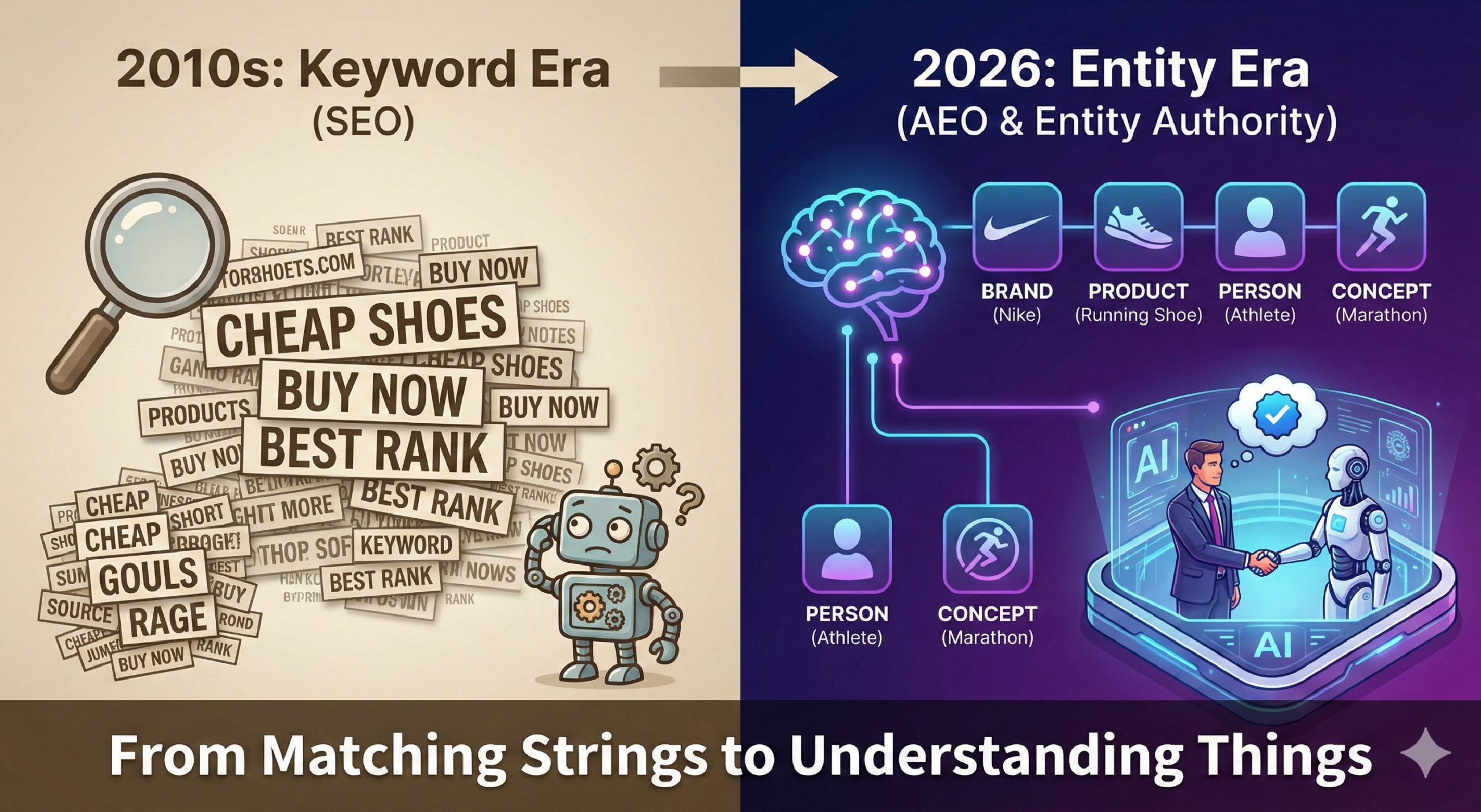
In order to address this, we need to apply the principles of Answer Engine Optimization (AEO) to our social media. We need to optimize for user intent and user engagement time.
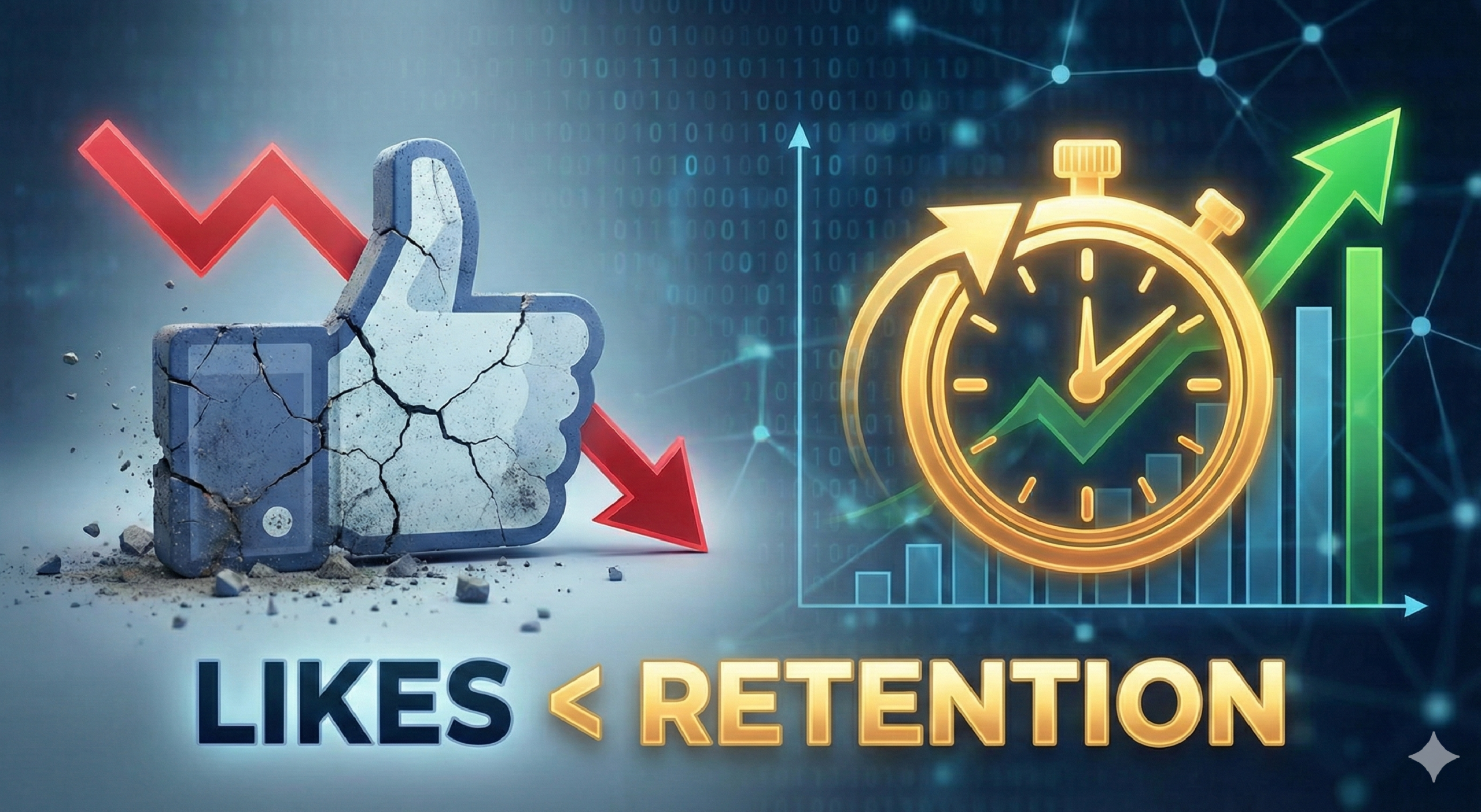
To trigger the algorithm, you must increase the time spent on a post.
Facebook is now a search engine. Your content needs to be optimized to be “readable” by the A.I. like we do for Google-optimization for the Web.
Vanity metrics (Likes) are out. meaningful conversation is in. The Facebook algorithm 2026 favors posts that generate threads – people talking to people.
The drop in likes isn’t a penalty; it’s a signal that your format is outdated. By treating your Facebook page with the same rigor as your SEO strategy—focusing on retention, keywords, and user intent—you can train the algorithm to work for you again.

Hi, I’m Dilum, an experienced SEO and AEO expert passionate about helping businesses and individuals unlock the full potential of their online presence. I am focused solely on driving weather by organic search, SEO improvement, search testing design, and analytical strategizing that activates results. Our blog encompasses hands-on insights, industry-wide trends, and expert advice to keep up with an constantly changing SEO world. Whether the audience is beginners or seasoned marketers, walk along this journey to turn your website into a high-performing, SEO/AEO-friendly playground. Grow with us!